Anxiety can feel overwhelming. Your mind races. Your body stays tense. Sleep gets disturbed. Many people try meditation, therapy, or medication. These help, but there is one more fragment of the puzzle, which most people forget about: the gut.
Your digestive system and brain are in constant communication, which is now proven by science. This linkage is referred to as the gut-brain axis. Anxiety may escalate when this system is not in balance. Calmness is usually enhanced when backed by diet and lifestyle.
This blog describes science using simple terms. It also examines practical food plans and prehistoric knowledge that helps in mental health. This information can assist you in learning about your body, especially when you have a problem with gut-brain axis anxiety.
Anxiety Is Not Only in the Mind
Anxiety was long considered a psychological problem. The concerns were about thoughts, feelings, and stress.
However, this drew the attention of many people. Their anxiety got better with digestion.
Scientists started to research this connection. They discovered that the gut and the brain are connected through several pathways.
A direct connection of the gut to the brain, a nerve called the vagus nerve.
- Intestinal flora that synthesizes neurotransmitters.
- Signals of the immune system and inflammation.
- Stress and mood-altering hormones.
You know? Approximately 90 percent of serotonin, the mood-related neurotransmitter, is produced in the intestines.
That is to say that gut health has a significant contribution to gut-brain axis anxiety.
When Gut Health Is Disturbed
We shall see what happens when the gut gets imbalanced.
The contemporary diet is made of processed foods, low fiber, and high sugar. Gut bacteria are also affected by antibiotics and chronic stress.
These alterations disrupt the gut microbiome anxiety relief pathway.
Your microbiome is the population of trillions of bacteria in the digestive system. Some bacteria assist in the production of relaxing brain chemicals such as GABA. Others promote immunity.
The following issues become evident when the beneficial bacteria dwindle-
- Higher inflammation
- Poor nutrient absorption
- Reduced neurotransmitter production
- Increased stress response
The University College Cork researchers discovered that some intestinal bacteria affect the brain GABA receptors. These receptors control the level of anxiety.
In another study, GOS prebiotics were found to enhance emotional processing and decrease symptoms of anxiety by modulating the chemistry of the brain.
Hence, as individuals seek ways of improving gut-brain axis anxiety, one of the rational actions is to improve gut health.
Hippocrates once said,
“All disease begins in the gut.”
Emotional stability has long been associated with digestion as part of the traditional systems, such as Ayurveda.
That same pattern shows up in everyday stress, too.
Ayurveda Gut-Brain Healing and Modern Science
Ayurveda has been focusing on digestive health since earlier times. Ayurveda’s gut-brain healing concept is aimed at soothing the digestive system. It uses natural foods and spices.
Numerous Indian traditional ingredients are beneficial to gut balance.
- Turmeric
- Ginger
- Cumin
- Fennel
- Fermented milk products, such as curd.
These foods aid digestion, decrease inflammation, and help good bacteria.
several
Several traditional diets favor microbiome diversity and emotional resilience.
As an example, turmeric has curcumin, a compound that has been researched on its anti-inflammatory and mood-supporting properties.
Other researchers are considering the use of turmeric anxiety gut axis support since curcumin has the potential to curb inflammation in the gut and the brain.
This is where ancient wisdom meets contemporary neuroscience.
Best Foods for Gut-Brain Axis Anxiety
Now, let us focus on practical strategies.
Diet is one of the most potent starting points in case you wish to eliminate gut-brain axis anxiety.
Some of the foods enhance gut bacteria, decrease inflammation, and maintain brain chemistry.
These are the best foods for the gut-brain axis anxiety.
- Fermented Foods
Fermented foods have good bacteria.
Examples include-
- Curd (yogurt)
- Kefir
- Kimchi
- Sauerkraut
- Idli and dosa batter.
These are foods that are probiotics for anxiety in that they help to maintain gut microbes that release calming neurotransmitters.
This aids in the control of the nervous system.
- Fiber-Rich Foods
Intestinal flora feed on fiber.
Foods that are high in fiber are-
- Lentils
- Oats
- Bananas
- Apples
- Leafy greens
These act as prebiotics. They nourish good bacteria and foods that decrease anxiety and gut health pathways.
- Omega-3 Rich Foods
The omega-3 fatty acids aid in the health of the gut and the brain.
Sources include-
- Walnuts
- Flaxseeds
- Chia seeds
- Salmon and other fatty fish.
Fatty acids (Omega-3) can help to decrease anxiety-related inflammation.
- Magnesium Rich Greens
Magnesium assists in controlling the stress response.
Diets rich in magnesium contain-
- Spinach
- Pumpkin seeds
- Dark leafy greens
These help in maintaining the balance of the nervous system.
My Personal Experiment With Gut Foods
To get more insight into this relation, I have tested my own diet.
I tried a basic routine for 30 days.
Every day I consumed-
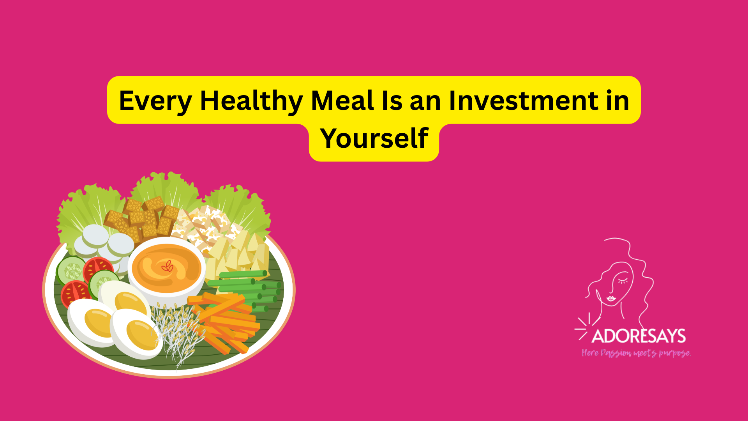
- Fresh homemade curd
- Turmeric milkshake.
- Fiber-rich vegetables
- Fermented foods
In two weeks, I observed something interesting.
My digestion improved and bloating got reduced. I started to have better sleep.
Above all, my anxiety episodes were reduced.
It was not a magic drug. But the change was discernible.
The Role of Probiotics
Probiotics are another field of research that is expanding.
Scientists are researching how probiotics heal anxiety via gut.
Some strains can affect stress hormones and neurotransmitters.
Indicatively, strains of Lactobacillus and Bifidobacterium have been associated with better mood control.
These bacteria interact with the vagus nerve and influence brain chemistry.
Although supplements can be beneficial for some people, several professionals suggest first taking fermented foods.
Probiotic supplements should be started under the advice of a medical practitioner.
Traditional Diet Patterns That Calm the Mind
Gut diversity is usually supported by traditional diets.
The ancient wisdom diet reduces anxiety and concentrates on whole foods, spices, and balanced meals.
Indian food has numerous instances of Indian spices, gut health, and mental calm advantages.
Common intestinal-friendly ingredients include-
- Turmeric
- Ginger
- Black pepper
- Asafoetida
- Coriander
These spices enhance digestion and inhibit inflammation.
They form a science-based diet when combined with fiber-rich vegetables and fermented foods to relieve anxiety.
If you have read my post on self-care and mental balance, this will feel familiar.
An Easy Gut-Brain Diet
The following is an easy day-to-day case.
Morning
- Warm ginger water.
- Whole grain oats, nuts, and seeds.
Lunch
- Brown rice
- Lentils
- Turmeric vegetable curry.
- Side of curd
Snack
- Fruit and walnuts
Dinner
- Vegetable soup
- Whole-grain roti
- Light fermented food
The kind of meal pattern maintains foods that lower anxiety and gut health processes, besides feeding the brain.
A Gentle Reminder
This is to keep in mind if you live with anxiety.
- You are not weak. Your body is reacting to the stress.
- Probiotics are not a substitute for treatment or medication. But it may be an effective strategy for companionship.
- The gut-brain axis anxiety connection provides another tool for understanding.
- Minimal nutrition alterations have the potential to affect gut bacteria, inflammation, and brain chemistry gradually.
- And in the long run, those changes can be conducive to emotional stability.
Final Thoughts
The food and mental health relationship is becoming more transparent. Studies into the gut-brain axis anxiety reveal that the health of the gut is closely connected with emotional balance.
The body can be made to drift towards calm by nourishing your gut with simple foods.
Healing does not occur in a day. But every meal can help your body balance.
The brain and the gut are never silent.
Now tell me, what are you asking them today?
Disclaimer
The article is educational in nature and is not a substitute for professional medical advice. Before changing your diet or supplements significantly, seek the advice of a professional medical worker.





Leave a Reply