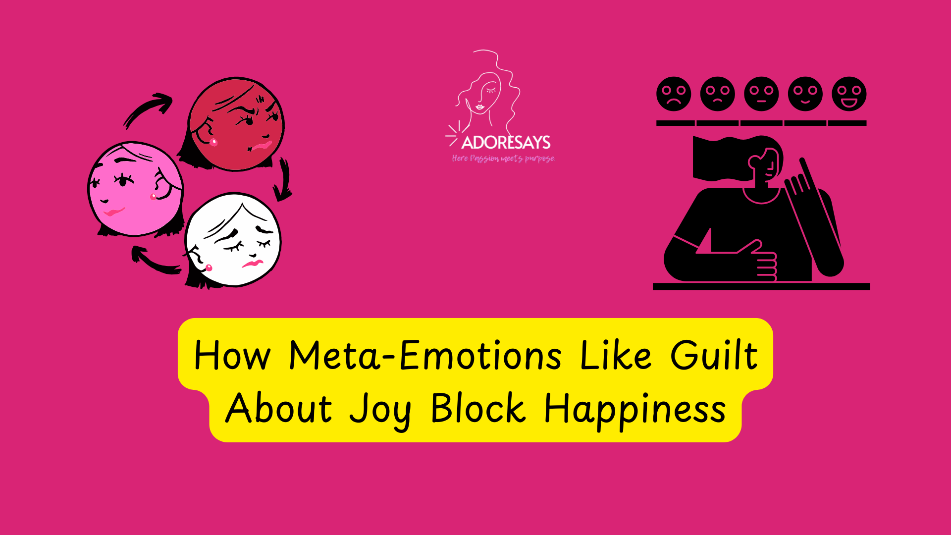
I searched “why do I feel guilty for being happy” late one night after a surprisingly good day.
That search eventually led me to the term “meta-emotions.” At first, I ignored it because it sounded too technical. But the more I read, the more it matched what I was feeling.
I wasn’t only dealing with emotions. I was dealing with feelings about feelings.
And honestly, that second layer was exhausting.
I would feel happy for a minute. Then guilt would show up right after. Sometimes it happened after laughing during a hard season. Sometimes, after enjoying a calm day, while other people around me were struggling.
That heavy feeling had a name, too- guilt about joy.
The strange part is how quickly it happens. You feel good. Then your brain suddenly questions whether you deserve to feel good at all.
If you’ve ever felt stuck in unhappiness, this might sound familiar.
You finally relax, but your mind immediately starts searching for problems. You feel calm, but stress still lingers in the background. You enjoy something small, and then emotional guilt appears out of nowhere.
That cycle can quietly drain your energy over time.
What Are Meta-Emotions Anyway?
From what I understand, meta-emotions are emotions about other emotions.
Simple idea. But once I understood it, a lot of my emotional overwhelm started making more sense.
For example-
- Feeling embarrassed about being sad.
- Feeling ashamed after crying.
- Feeling angry that you’re anxious.
- Feeling guilt about joy after a good moment.
It’s like your first emotion appears, and then a second emotion immediately reacts to it.
That second emotional layer can make everything feel heavier.
I noticed this especially during stressful periods. I would already feel anxious. Then I became anxious about feeling anxious because I thought I should be handling things better.
That second reaction made the original anxiety stronger.
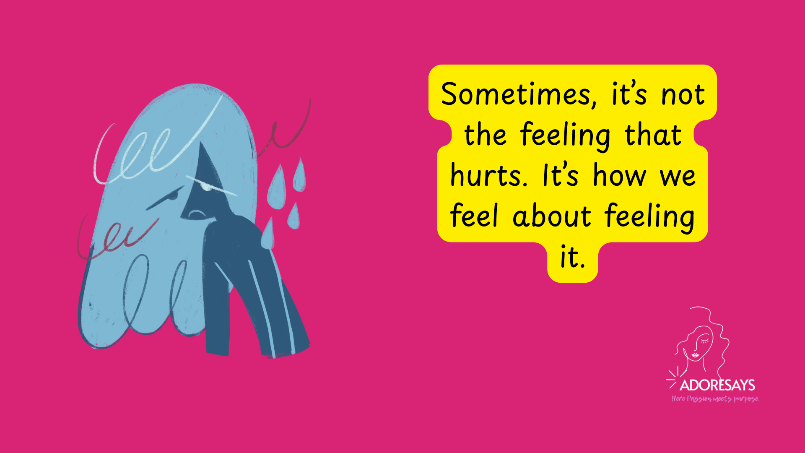
Feelings About Feelings in Action
The phrase “feelings about feelings” sounds repetitive at first, but it captures many everyday emotional experiences.
Here are a few typical examples-
- Gratitude for when there is loss or grief, but still feeling guilt about joy.
- Inability to be happy when others are not.
- Embarrassment due to emotional responses.
- Anxious about feeling anxious when you are around people.
- Nervous about feeling happy for just a moment.
- Suffering from survivor’s guilt following a challenging time.
- Feeling like when life is improving, stress still seems to be around.
Once I started noticing these patterns, I realized how often meta-emotions were quietly shaping my mood.
How Guilt About Joy Keeps You Stuck
This was the hardest part for me to notice.
Sometimes the real issue is not the original emotion. It’s the fear, shame, or guilt attached to it afterward.
For me, guilt about joy became stronger after a stressful year. Things finally started calming down. I laughed more. I rested more. I even started enjoying normal routines again.
But every time happiness appeared, my brain pushed back.
I would think-
“Why do I feel okay when other people are struggling?”
“Shouldn’t I still feel upset?”
“What if this happiness disappears?”
That mindset made happiness feel unsafe.
I think this connects closely to survivor’s guilt for a lot of people. You survive something difficult, but enjoying life afterward can strangely feel wrong.
Sometimes your nervous system gets so used to stress that peace feels unfamiliar.
That’s why meta-emotions block happiness so quietly. Not because happiness is impossible, but because fear of happiness keeps interrupting the moment before you can settle into it.
Over time, that emotional loop becomes exhausting.
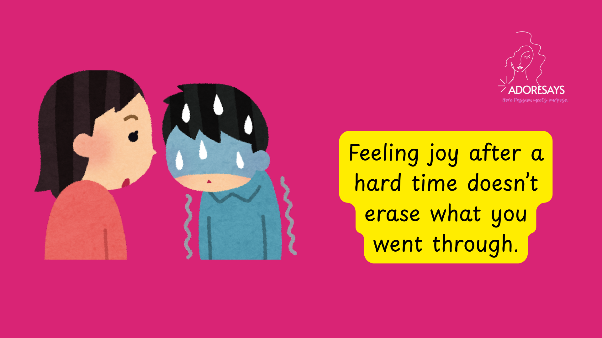
Spotting Meta-Emotions in Your Life
One thing that helped me was asking a simple question-
“What am I feeling about this feeling?”
That question slowed everything down.
Here’s a simple example-
| Primary Emotion | Meta-Emotion Example |
| Joy | Guilt about joy |
| Anxiety | Anxious about feeling anxious |
| Anger | Shame about anger |
| Happiness | Nervous about feeling happy |
Once I started recognizing these reactions, they became easier to understand.
Not magically solved. It’s just easier to notice clearly.
Some daily triggers I personally noticed were
- Getting good news after a difficult period.
- Feeling calm during uncertain times.
- Laughing after grief or burnout.
- Resting without being productive.
- Comparing emotional reactions online.
- Thinking I should “be over it already.”
- Feeling shame around emotions that seemed too big or too small.
A lot of these moments seem small individually. But repeated over time, they can affect emotional self-regulation and emotional awareness.
Simple Ways to Handle Feelings About Feelings
I’m still figuring this out myself, but a few things genuinely helped me slow the cycle down.
1. Pause and name it
Instead of saying, “I feel terrible,” I try to be more specific.
For example-
“I feel happy… and also guilty for feeling happy.”
Separating the layers helps you notice the meta-emotions instead of getting overwhelmed by them.
2. Journal meta-emotions
I started writing down moments where feelings about feelings appeared during the day.
Simple notes helped-
- “Felt relaxed today.”
- “Then felt guilty for relaxing.”
- “Then got anxious thinking I was wasting time.”
Seeing those patterns on paper made them feel less confusing.
3. Practice emotional self-regulation basics
I used to think emotional self-regulation meant staying calm all the time.
Now I think it’s more about noticing emotions without immediately fighting them.
Small things helped me more than dramatic changes.
Taking breaks from doom-scrolling.
- Sleeping better when possible.
- Talking honestly with trusted people.
- Spending time outside without my phone.
- Letting myself enjoy good moments without analyzing them instantly.
None of this made me emotionally perfect.
But it did make emotions feel less scary.
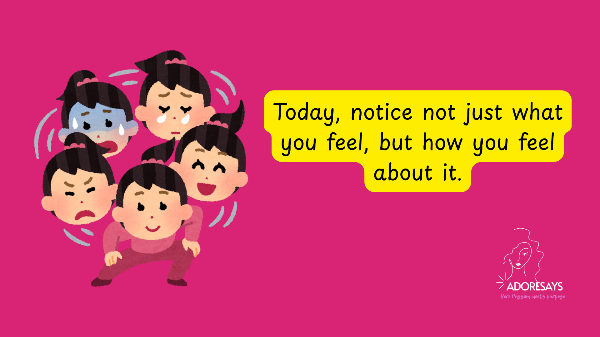
My Experience Sharing This
The strangest part about learning about meta-emotions was realizing how common they actually are.
I thought I was uniquely overthinking happiness. Turns out, many people struggle with emotional guilt, fear of happiness, and shame around emotions after difficult experiences.
I still catch myself becoming nervous about feeling happy sometimes. I still notice moments of guilt about joy, too.
But now I notice the second emotion faster.
That awareness alone makes happiness feel a little less distant. I also wrote about self-love and emotional healing earlier.
Conclusion
If you’ve been feeling emotionally stuck lately, maybe the issue is not only the original emotion.
Maybe it’s the reaction layered on top of it.
Maybe meta-emotions block happiness more quietly than we realize.
So today, try something simple.
Pause for a second and ask yourself-
“What am I feeling about this feeling?”
You might notice more than you expect.
FAQs
- Do meta-emotions lead to anxiety?
They can definitely make anxiety more pronounced. For instance, being worried about worry can lead to an emotional spiral that can heighten stress.
- How does it make you feel to be happy?
Guilt of joy is sometimes linked to stress or grief or to survivor’s guilt or to the fear of losing happiness again. Your brain can begin to associate happiness with danger or fleetingness.
- Are feelings about feelings normal?
From everything I’ve read and experienced, yes. A lot of people experience feelings about feelings, even if they don’t use that exact phrase.

Leave a Reply